

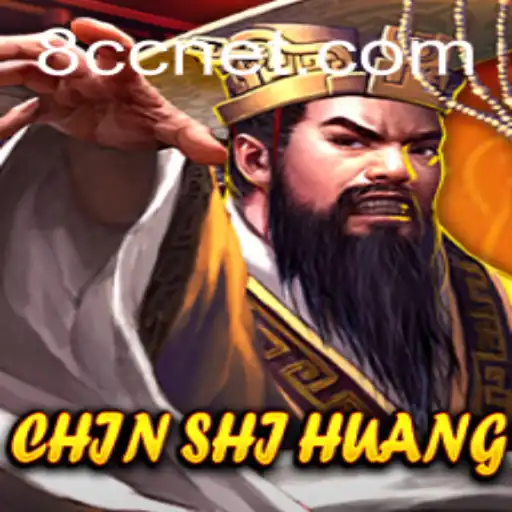

Explore the rules and allure of ChinShiHuang, a strategic game intertwined with historical intrigue and modern keyword 8cc dynamics.
ChinShiHuang: Unraveling the Strategy Behind the Game
The allure of strategic games lies in their ability to transport players into realms demanding keen intellect, foresight, and adaptability. Among the myriad of strategy games captivating enthusiasts today, ChinShiHuang emerges as a captivating blend of history and conquest, beckoning both seasoned strategists and newcomers alike. Its unique integration with modern dynamics through the keyword 8cc adds an intriguing layer to this game's appeal.
Understanding ChinShiHuang
Named after China’s first Emperor, Qin Shi Huang, the game promises a journey through ancient lands marked by ambition and imperial grandeur. It offers a rich tapestry of historical context, urging players to strategize by learning from the past while navigating present-day challenges.
Game Description
ChinShiHuang is designed as a turn-based strategy game where players seek to unify a fragmented world under a single banner. Utilizing historical elements of the Qin Dynasty and infusing them with a modern twist, it engages players in diplomacies, warfare, and building statecraft. The objective is not merely conquest but maintaining a legacy through strategic governance.
The game board is reminiscent of ancient Chinese geography, with territories marked by historical significance. Players must navigate natural barriers, such as the Yellow River and the Great Wall, embracing these as both obstacles and tactical vantage points.
The Role of 8cc in ChinShiHuang
In a nuanced integration, ChinShiHuang introduces the concept of 8cc, representing eight core challenges that mirror both historical and contemporary world issues such as trade, security, technological advancement, cultural preservation, economic stability, political alliances, environmental sustainability, and moral governance.
Throughout the gameplay, 8cc serves as a compass guiding players through complex scenarios. Each challenge demands strategic decisions that affect short-term objectives and long-term strategy, thus mirroring the unpredictability of real-world governance.
Introduction to Key Gameplay Mechanisms
ChinShiHuang’s gameplay is layered with several mechanisms that enhance strategic depth. Key elements include diplomacy, warfare, resource management, and cultural development.
Diplomacy
Players engage with different factions, negotiating alliances or inciting rivalries. The decisions made in diplomacy can swing the tide of the game, impacting the stability and prosperity of one’s empire.
Warfare
While diplomacy is crucial, military strength cannot be underestimated. Players must amass troops, build fortifications, and plan their campaigns meticulously. Historical battles and strategies influence the outcome, testing players' command skills.
Resource Management
ChinShiHuang intricately deals with resource management where allocation decisions affect empire growth and stability. Balancing both tangible resources like land and intangible assets like technology is crucial.
Cultural Development
Recognizing the significance of heritage, the game emphasizes cultural development. Players earn prestige through achievements in arts and science, which play a key role in uniting lands and winning the loyalty of various factions.
Game Rules and Objective
The objective of ChinShiHuang is to rise as a supreme leader whose rule stands uncompromised by the eight core challenges. Each player begins with a small territory equipped with basic resources and a single strategic advantage unique to the historical faction they represent.
Starting the Game
At the onset, players draft their leaders from a pool of historical figures, each bringing unique traits that aid in specific aspects of statecraft. The starting setup thereafter involves distribution of initial resources and setting of policies aligned with the historical traits.
Turn Phases
The game progresses in turns, divided into distinct phases: planning, action, and resolution.
- Planning Phase: Players outline their strategies for the turn, which includes choosing their focus among the 8cc challenges and planning moves for diplomacy, warfare, or building.
- Action Phase: Decisions are made active on the board, including movement of armies, diplomatic negotiations, and resource allocations.
- Resolution Phase: Outcomes of the actions are resolved. This could involve battles, outcomes of alliances, or impacts of policy decisions aligned with the challenges. The resolution phase significantly impacts the political landscape for subsequent turns.
How 8cc Influences Gameplay
With the integration of 8cc, each decision taken resonates across multiple facets, capturing the nuances of empire management. Players score points based on their efficiency in handling these challenges, each endpoint contributing to the construction of long-lasting legacies.
Contemporary Relevance of ChinShiHuang
Released amidst a backdrop of rapidly evolving geopolitical dynamics, ChinShiHuang captures the zeitgeist by placing pertinent global issues at the forefront. The fusion of classic strategy mechanics with a modern-day context allows players to engage with and reflect on contemporary global politics through the safe lens of gameplay.
The Impact of Real-World Events
ChinShiHuang stands as an example of how games can mirror real-life complexities and foster an understanding of geopolitical dynamics. As players navigate their paths through intricately designed scenarios, they inadvertently engage with themes reflecting current global affairs.
Engagement and Replayability
One of the hallmarks of ChinShiHuang is its high replayability factor. With different starting conditions, leader options, and the dynamic nature of 8cc challenges, every playthrough offers a unique experience. This ensures that players remain engaged, constantly devising new strategies to tackle evolving scenarios.